Your Defense Against The Smoke
Caring for your home and family during wildfire smoke season
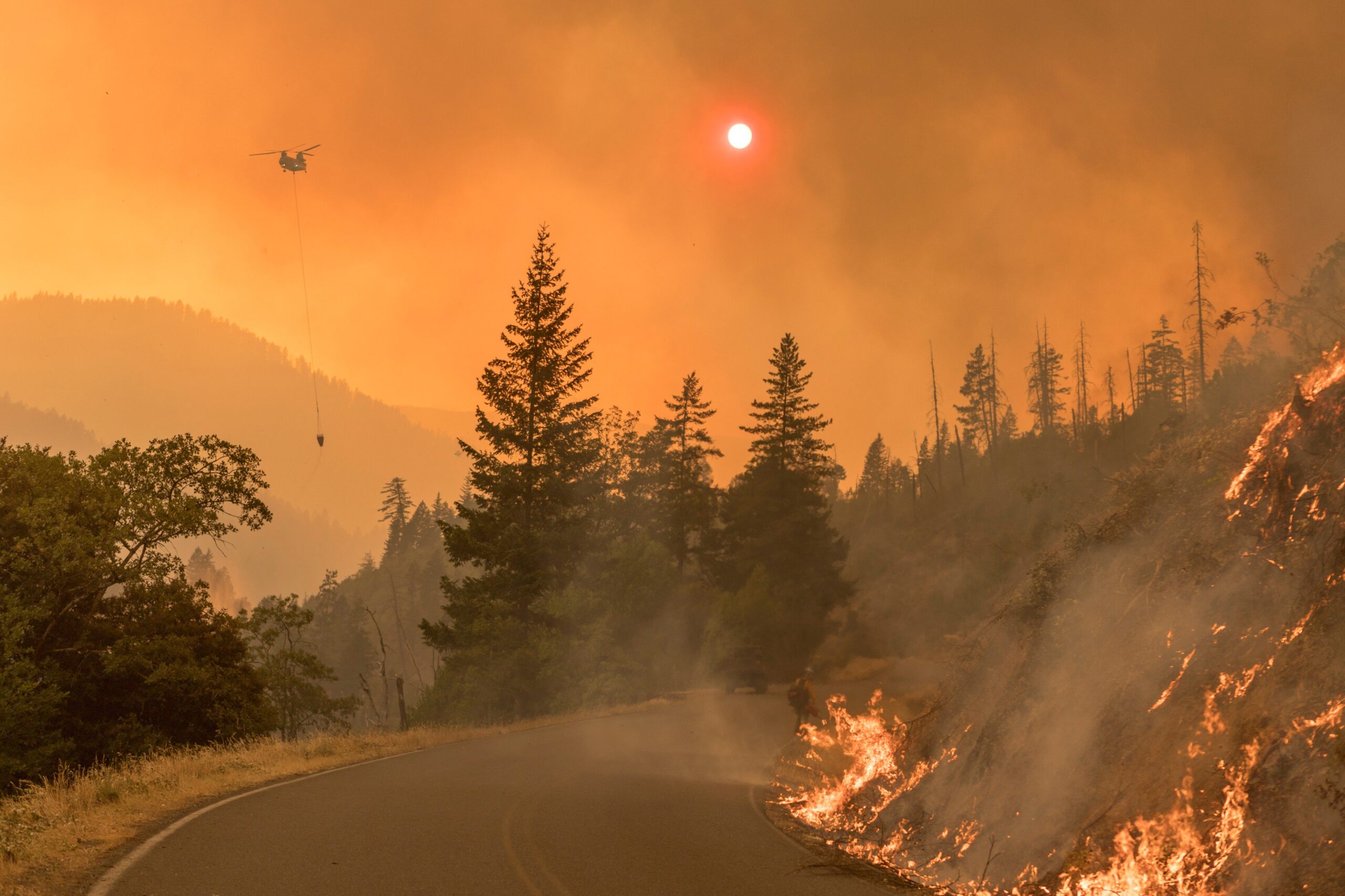
As we settle into what feels like our new normal wildfire season, a reminder on how to best care for yourself and your family during stretches of poor air quality — plus my go-to nutrition and supplement support for smoke events.

My rule of thumb: once the reading crosses 100, mask up for outdoor exertion and start thinking about indoor filtration. You can track real-time readings at AirNow.gov or on PurpleAir's map.

| Why it matters
Kids and small animals breathe faster than adults and have smaller lungs, meaning more relative exposure to PM2.5 — the fine particulate matter in smoke that can damage the lungs, immune system, and heart.
When structures or machinery burn along with the forest, the chemicals in the smoke intensify. Some of these chemicals can cause irreversible harm to the body.
Poor air quality raises the risk of asthma flares, heart disease, premature birth, and COVID-related complications.
Long-term or repeated smoke exposure has been linked to more anger, depression, and anxiety, along with body soreness and inflammation. Be gentle with yourself and your loved ones this season.
| Who's most at risk
Children, older adults, pregnant people, and anyone with asthma, heart disease, or immune dysfunction should take extra precautions — including limiting outdoor exertion and considering indoor air filtration.
Children and pregnant people
Older adults
Asthma or heart disease
Immune dysfunction
| A reminder on masking up
STILL SEEING THIS
I still see folks out exercising without a mask when the Air Quality Index is above 100. It's not worth it. Check the gauge above before you head out.
| Nutritional support during smoke events
Organic (or local) washed whole foods — Mediterranean-style eating
Omega-3s and polyunsaturated fats from fish, oils, nuts, and seeds
A rainbow of colorful fruits and vegetables — broccoli sprouts, onions, garlic, berries
Fermented foods — kombucha, sauerkraut, kefir, miso, tempeh
Green tea — up to 3 cups a day, as tolerated.
| Supplements for smoke events
SUPPLEMENT TYPICAL ADULT DOSING
Vitamin C Up to 1,000 mg, 3x/day
NAC ~1,800 mg/day
Curcumin / turmeric Varies, often ~3 capsules/day
Quercetin 500 mg, 2x/day
Resveratrol ~450 mg/day
B-complex 1 AM, ≥1 hr from caffeine
EPA / DHA 1,500 mg combined
General guidance only — not personalized medical advice. If you're on prescription medication (especially blood thinners or chemotherapy), please check with your doctor or pharmacist before adding any of these, as several can interact.
| When to talk to your doctor
WORTH A CONVERSATION
If you or a loved one deals with asthma, cardiovascular disease, or immune dysfunction, please consider talking with your doctor about a personalized plan — including air filtration options and additional support during and after smoke exposure.
Wishing you and your family a breath of fresh air. If you'd like help building a personalized plan for smoke season, we're here to support you.
Beth DiDomenico
ND